
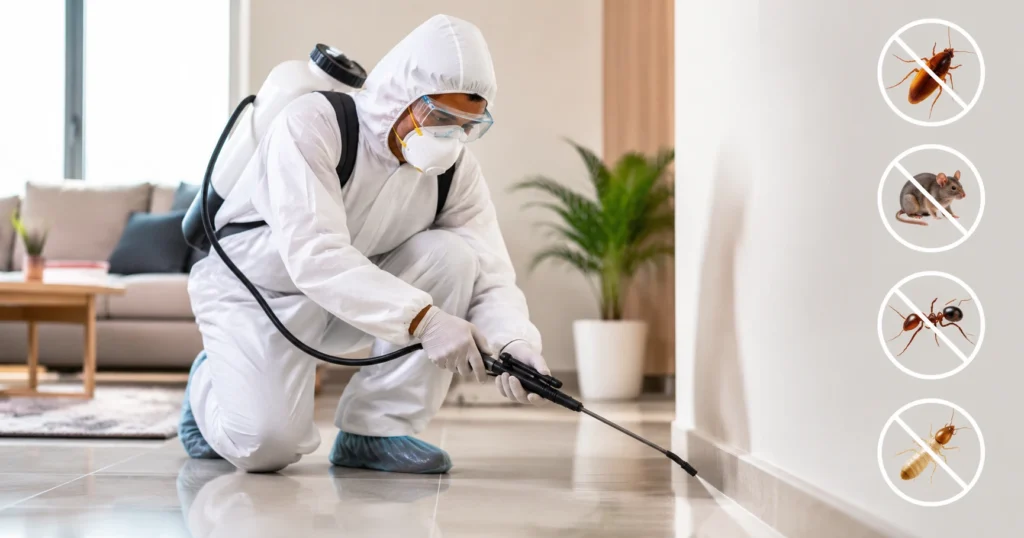
Pest problems are a common concern for homeowners, businesses, and property managers across Dubai. The city’s warm climate, rapid urban development, and year-round availability of food and water create ideal conditions for insects and rodents to thrive. Without timely action, small infestations can quickly develop into larger problems that affect health, hygiene, and property value.
Choosing Pest Removal Dubai services is one of the most effective ways to eliminate existing infestations while preventing future pest activity. Professional pest control specialists use systematic inspections, targeted treatments, and preventive strategies designed for Dubai’s unique environment. Rather than simply removing visible pests, experienced technicians focus on identifying the root cause of infestations and creating long-term pest management plans.
This guide explains why pests are common in Dubai, how professional pest removal works, the importance of inspections, effective treatment methods, and practical prevention techniques for both residential and commercial properties.
What is Pest Removal Dubai?
Pest Removal Dubai refers to professional inspection, identification, treatment, and prevention services designed to eliminate insects, rodents, and other pests from residential and commercial properties. These services combine expert assessments, safe treatment methods, ongoing monitoring, and preventive measures to provide long-lasting protection against recurring infestations.
Why Pest Problems Are Common in Dubai
Dubai’s environment presents several conditions that encourage pest activity throughout the year. While proper sanitation helps reduce risks, environmental and structural factors often make professional intervention necessary.
Warm Climate Supports Year-Round Pest Activity
Unlike regions with cold winters, Dubai experiences warm temperatures for most of the year. Cockroaches, ants, mosquitoes, termites, flies, and rodents remain active during every season, allowing populations to grow continuously if left untreated.
Rapid Urban Development
New residential communities, commercial buildings, and construction projects often disturb pest habitats. As pests search for food and shelter, they frequently move into nearby homes, offices, warehouses, and restaurants.
Food Availability
Restaurants, supermarkets, residential kitchens, and food storage areas provide constant access to food sources. Improperly stored food or waste disposal can quickly attract insects and rodents.
Moisture and Water Sources
Although Dubai has an arid climate, water leaks, plumbing issues, condensation from air conditioning systems, and standing water create ideal breeding environments for mosquitoes, cockroaches, and other insects.
High-Density Residential Living
Apartments, villas, and mixed-use developments often share walls, utility lines, and drainage systems. Pests can easily travel between neighboring units, making professional pest control solutions more effective than treating individual spaces alone.
Commercial Activity
Hotels, shopping centers, offices, warehouses, hospitals, and industrial facilities experience continuous human activity, increasing opportunities for pests to enter buildings through deliveries, waste disposal areas, and loading docks.
Common Pests Found in Dubai Properties
Understanding the types of pests commonly found in Dubai helps property owners recognize early warning signs and seek timely treatment.
Cockroaches
Cockroaches are among the most common household pests in Dubai. They thrive in kitchens, drainage systems, storage rooms, and humid environments.
Signs of infestation:
- Droppings resembling coffee grounds
- Unpleasant odor
- Egg cases
- Live insects appearing at night
They can contaminate food and surfaces, making early intervention essential.
Termites
Termites silently damage wooden structures, furniture, flooring, and building frameworks. Since much of the destruction occurs out of sight, regular inspections play a crucial role in preventing expensive repairs.
Common warning signs include:
- Hollow-sounding wood
- Mud tubes along walls
- Discarded wings
- Wood damage
Bed Bugs
Bed bugs hide inside mattresses, furniture, upholstery, and cracks around bedrooms. They feed on human blood during the night and multiply quickly if not treated professionally.
Typical indicators include:
- Itchy bite marks
- Small blood stains on bedding
- Dark spots on mattresses
- Visible insects around bed frames
Ants
Ants commonly enter homes searching for sugar, food crumbs, and moisture. While some species are simply a nuisance, larger colonies can become difficult to eliminate without professional assistance.
Rodents
Rats and mice damage electrical wiring, insulation, packaging materials, and stored food products. They may also spread bacteria through droppings and urine, creating hygiene concerns in residential and commercial properties.
Signs include:
- Gnaw marks
- Droppings
- Scratching noises
- Nest materials
Mosquitoes
Standing water around gardens, construction sites, drainage systems, and outdoor containers provides breeding grounds for mosquitoes. Effective insect infestation control includes identifying and removing breeding locations.
Flies
Flies are commonly attracted to food waste, garbage bins, restaurants, and food preparation areas. They can spread bacteria by landing on food and frequently contaminated surfaces.
Spiders
Although many spiders are harmless, their presence often indicates that other insects are available as food sources inside the property.
Other Common Insects
Dubai properties may also experience infestations involving silverfish, stored-product insects, pantry pests, moths, beetles, and occasional outdoor insects that enter through doors and windows.
Why Professional Pest Removal Dubai Services Are Important
Professional pest treatment experts do much more than remove visible insects. They develop customized solutions that address the entire infestation cycle while reducing the chances of future outbreaks.
Accurate Pest Identification
Different pests require different treatment methods. Misidentifying an infestation often leads to ineffective control measures and recurring problems.
Experienced technicians identify:
- The pest species
- Infestation severity
- Breeding locations
- Entry points
- Environmental risk factors
Advanced Treatment Methods
Professional exterminators use specialized equipment and proven pest management techniques that reach hidden nesting sites inside walls, ceilings, drainage systems, and structural voids where pests often remain undetected.
Long-Term Protection
Temporary solutions rarely eliminate an infestation completely. Professional treatments focus on removing existing colonies while implementing preventive strategies that reduce future pest activity.
Reduced Health Risks
Many pests contaminate food, surfaces, and indoor environments with bacteria and allergens. Professional pest treatment reduces these risks and helps maintain healthier living and working spaces.
Protection Against Property Damage
Termites, rodents, and certain insects can cause expensive structural damage if infestations continue unnoticed. Early treatment protects buildings, furniture, wiring, insulation, and stored materials.
Professional Knowledge and Experience
Qualified pest treatment experts understand local pest behavior, seasonal activity, treatment timing, and the safest application methods for different property types.
How Pest Control Services Dubai Work
Professional pest management follows a structured process that addresses current infestations while helping prevent future problems.
Step 1: Pest Inspection Services
Pest inspection services form the foundation of every successful treatment plan. Before any treatment begins, technicians perform a detailed assessment of the property.
The inspection typically includes:
- Identifying pest species
- Locating nesting and breeding sites
- Finding entry points
- Checking moisture-prone areas
- Evaluating sanitation conditions
- Assessing infestation severity
Inspections often cover kitchens, bathrooms, storage rooms, ceilings, wall cavities, drainage systems, utility areas, outdoor spaces, and hidden structural voids where pests commonly remain undetected.
Step 2: Customized Treatment Planning
Following the inspection, technicians develop a treatment strategy tailored to the property’s layout, infestation level, and pest species.
Professional plans may include:
- Targeted insect treatments
- Rodent control measures
- Monitoring systems
- Preventive sealing recommendations
- Sanitation improvements
- Safe pest treatment methods suitable for the property
Rather than relying on a single approach, professionals combine multiple pest control solutions to improve effectiveness while minimizing unnecessary chemical use.
Step 3: Pest Infestation Treatment
Once the treatment plan has been finalized, technicians begin the Pest infestation treatment process using methods suitable for the identified pest species and the property’s environment. The objective is not only to eliminate visible pests but also to target nests, breeding sites, and hidden infestation areas.
Treatment methods may include:
- Targeted residual sprays
- Gel bait applications
- Rodent baiting systems
- Dust treatments for wall voids
- Termite control solutions
- Insect growth regulators
- Physical trapping methods
- Sanitation recommendations
Professional treatments are carefully planned to maximize effectiveness while reducing disruption to occupants.
Step 4: Monitoring and Prevention
Successful pest management does not end after treatment. Follow-up inspections help confirm that pest activity has stopped and identify any new risks before they develop into larger infestations.
Monitoring typically includes:
- Checking treated areas
- Inspecting monitoring stations
- Reviewing sanitation practices
- Identifying new entry points
- Providing preventive recommendations
Ongoing inspections and maintenance significantly improve long-term pest prevention.
Home Pest Treatment Solutions for Dubai Residents
Home pest treatment plays an important role in maintaining a healthy and comfortable living environment. Different residential properties face different pest challenges depending on their design, location, and maintenance practices.
Apartment Pest Control
Apartment buildings often experience shared pest problems because insects and rodents can move through utility lines, ceilings, drainage systems, and common walls. Coordinated treatment helps minimize recurring infestations.
Villa Pest Treatment
Villas typically have gardens, outdoor storage areas, garages, and landscaped spaces that may attract termites, ants, mosquitoes, rodents, and other pests. Regular inspections help identify problems before they spread indoors.
Kitchen Pest Problems
Kitchens provide food, warmth, and moisture that attract cockroaches, ants, flies, and pantry pests. Keeping food sealed, cleaning spills promptly, and maintaining dry surfaces reduce the likelihood of infestations.
Bathroom Insects
Bathrooms often experience moisture-related pest activity due to plumbing leaks, humidity, and drainage systems. Cockroaches, silverfish, and drain insects commonly thrive in these environments.
Bedroom Pests
Bed bugs, dust-related insects, and occasional spiders may be found in bedrooms. Early identification prevents infestations from spreading to additional furniture and rooms.
Safe Treatment Options for Families
Professional residential pest control providers select treatment methods appropriate for occupied homes while following safety guidelines. Residents are also advised on cleaning practices and post-treatment precautions where necessary.
Commercial Pest Management for Businesses
Commercial pest management is essential for businesses that must maintain hygiene, comply with health regulations, and protect their reputation. Even a minor pest issue can interrupt operations and affect customer confidence.
Restaurants and Cafés
Food preparation and storage areas require strict pest prevention measures to reduce the risk of contamination. Regular inspections and preventive maintenance help maintain sanitary conditions.
Hotels
Hospitality properties must provide clean, comfortable environments for guests. Bed bugs, cockroaches, flies, and rodents can negatively affect guest experiences if not addressed promptly.
Office Buildings
Modern office spaces may experience ants, cockroaches, rodents, and pantry pests in break rooms, storage areas, and utility spaces. Preventive inspections help minimize disruptions to employees.
Warehouses
Stored goods can attract rodents, insects, and stored-product pests. Proper storage practices, monitoring systems, and routine inspections are important parts of commercial pest solutions.
Retail Stores
Retail environments benefit from preventive pest management to protect merchandise, maintain cleanliness, and create a positive shopping experience.
Industrial Facilities
Factories and industrial properties often require customized pest management techniques due to their size, operational processes, and specialized storage areas.
Understanding Integrated Pest Management Dubai
Integrated pest management Dubai is a comprehensive strategy that focuses on long-term prevention rather than relying solely on repeated chemical treatments. It combines multiple control methods to manage pests effectively while reducing environmental impact.
Inspection and Monitoring
Regular inspections identify pest activity before infestations become severe. Monitoring devices also help technicians understand pest movement and population trends.
Prevention-Focused Approach
Instead of reacting only after pests appear, integrated pest management emphasizes preventing infestations through sanitation, maintenance, and structural improvements.
Environmental Management
Reducing moisture, eliminating food sources, improving waste management, and sealing entry points make properties less attractive to pests.
Targeted Treatments
When treatment is necessary, professionals apply solutions only where required, improving effectiveness while minimizing unnecessary pesticide use.
Continuous Improvement
Integrated pest management is an ongoing process that adapts to seasonal pest activity, building conditions, and inspection findings.
Professional Insect Removal Services vs DIY Methods
| Factor | Professional Services | DIY Methods |
|---|---|---|
| Expertise | Accurate pest identification and tailored treatments | Limited knowledge of pest species |
| Long-term Results | Addresses root causes and prevention | Often provides temporary relief |
| Safety | Uses appropriate application methods and safety procedures | Risk of incorrect product use |
| Effectiveness | Treats hidden nests and breeding areas | Usually targets only visible pests |
| Prevention | Includes monitoring and preventive recommendations | Limited preventive planning |
Professional Insect removal services are generally more effective because they combine inspections, targeted treatments, and long-term prevention strategies instead of focusing only on immediate pest removal.
Tips to Prevent Pest Infestations in Dubai
Preventive measures significantly reduce the likelihood of pest problems and support long-term pest management.
- Keep kitchens and dining areas clean.
- Store food in sealed containers.
- Dispose of household and commercial waste regularly.
- Repair leaking pipes and plumbing fixtures.
- Remove standing water around the property.
- Seal cracks, gaps, and wall openings.
- Maintain gardens and landscaping.
- Clean drains and utility areas regularly.
- Inspect storage rooms periodically.
- Schedule routine professional inspections.
Combining these pest prevention methods with regular inspections creates a stronger defense against recurring infestations.
Choosing the Right Pest Control Company in Dubai
Selecting a qualified pest control provider helps ensure treatments are effective, safe, and tailored to your property’s specific needs.
Industry Experience
Choose companies with experience handling a wide range of residential and commercial pest problems in Dubai.
Detailed Inspection Process
A professional provider should begin with a thorough inspection rather than immediately recommending treatment.
Customized Treatment Plans
Every property is different. Effective pest control solutions should be based on pest species, infestation level, building layout, and environmental conditions.
Safe Treatment Methods
Ask about treatment techniques, application procedures, and safety recommendations for occupants, pets, and sensitive environments.
Preventive Recommendations
The best pest management plans include practical guidance for reducing future infestations through maintenance and sanitation improvements.
Customer Feedback
Reviews and customer experiences can provide valuable insight into service quality, reliability, and professionalism.
For example, providers such as Concept Pest Control demonstrate how professional inspections, customized treatment plans, and preventive strategies can be combined to support long-term pest management rather than relying only on short-term treatments.
Frequently Asked Questions
What is the best way to remove pests in Dubai?
The most effective approach combines professional inspections, accurate pest identification, targeted treatments, and preventive maintenance to eliminate existing infestations and reduce future pest activity.
How often should I book pest control services in Dubai?
The frequency depends on the property type, surrounding environment, and previous pest history. Many residential and commercial properties benefit from routine inspections and scheduled preventive treatments.
Are professional pest treatments safe for homes?
Professional technicians select treatment methods appropriate for the pest problem and property while following recommended safety procedures and providing guidance for occupants when necessary.
How long does pest removal treatment take?
Treatment duration varies depending on the pest species, infestation level, and property size. Some treatments can be completed within a few hours, while larger infestations may require multiple visits and follow-up inspections.
What are the most common pests in Dubai?
Cockroaches, termites, ants, bed bugs, rodents, mosquitoes, flies, spiders, and pantry insects are among the pests most frequently found in Dubai’s residential and commercial properties.
Can pest control prevent future infestations?
Yes. Preventive inspections, sanitation improvements, structural maintenance, monitoring, and integrated pest management strategies significantly reduce the risk of recurring infestations.
Why is professional pest inspection important?
Professional inspections identify hidden infestations, locate entry points, assess risk factors, and provide the information needed to develop an effective long-term pest management plan.